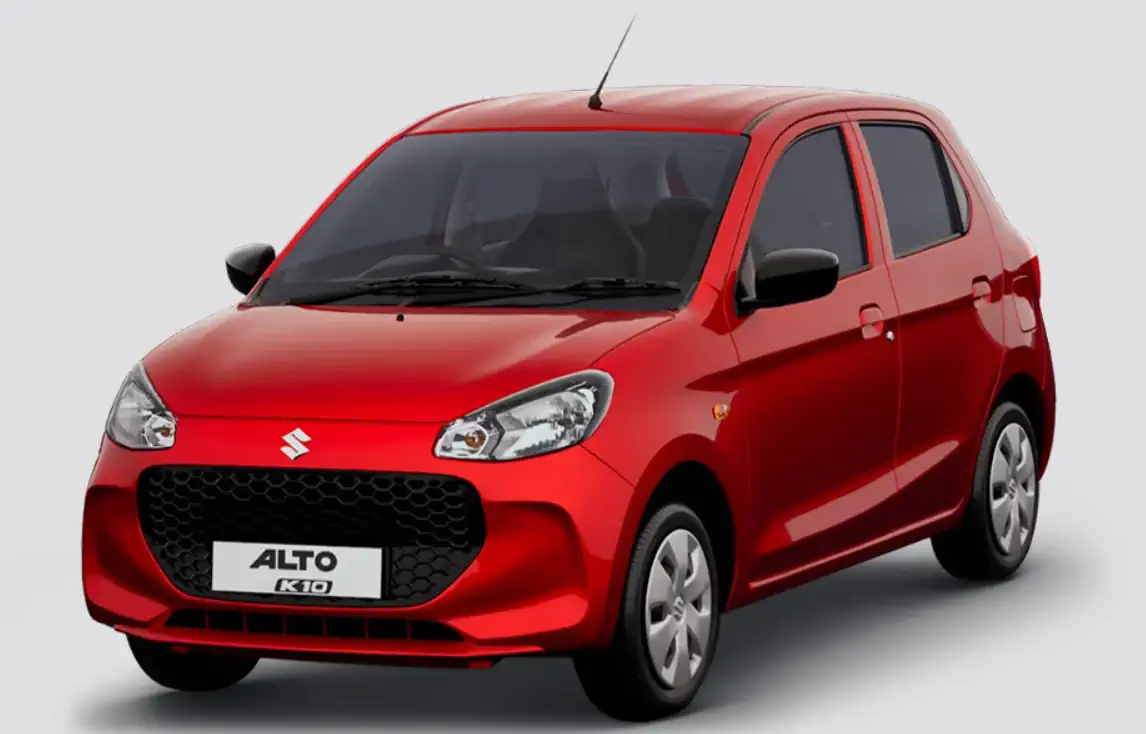
India’s passenger vehicle market is showing a clear shift at the entry level, and Maruti Suzuki Says Small Cars Back in ‘Healthy Black’ as First-Time Buyer Share Rises to 47% has now become a defining theme of the current recovery phase. After facing pressure for several quarters, small and compact cars are once again seeing strong demand, driven largely by first time car buyers returning to showrooms.

India’s largest car manufacturer Maruti Suzuki India has confirmed that the small car segment has moved out of negative growth and entered what it calls a healthy black zone. This marks a meaningful turnaround for a segment that had struggled due to affordability concerns, rising input costs, and changing consumer preferences toward larger vehicles.
Speaking after the company’s Q3 FY26 earnings, Rahul Bharti, Executive Officer Corporate Affairs, highlighted that the rebound in small cars is not only real but sharper than the recovery seen in bigger vehicles. Importantly, this revival is being powered by new buyers stepping into the car ownership journey for the first time.
Small Cars Move From Red to Healthy Black Growth

For much of the past two years, the small car segment remained under pressure as rising prices and tighter household budgets kept first time buyers away. That trend has now clearly reversed. According to Maruti Suzuki, demand for small and compact cars has swung decisively into positive territory.
Rahul Bharti explained that small cars were earlier in a negative growth zone, often referred to internally as red. Over the past few quarters, this has changed rapidly, with the segment moving into black and now healthy black growth. What stands out is that the scale of this swing is larger than what the company is currently seeing in mid size and larger vehicles.
This indicates that pent up demand at the entry level is finally translating into actual purchases. For many households, owning a car is a major financial decision, and once affordability concerns ease, buying intent tends to convert quickly. The current recovery suggests that value conscious customers are finding small cars attractive again, both from a pricing and usage standpoint.
Maruti Suzuki’s dominance in the entry level space has also helped it capture this upswing more effectively. With a wide range of small and compact models and an extensive dealership network, the company is well positioned to benefit from renewed interest in this segment.
First-Time Buyer Share Rises to 47 Percent
One of the strongest signals of a healthy market recovery is the rise in first time car buyers, and this is where the latest data becomes particularly significant. Maruti Suzuki has seen the share of first time buyers increase to around 47 percent, up from roughly 40 percent earlier. This nearly 7 percentage point jump highlights a broad based return of new customers.
Rahul Bharti described this trend as a very healthy sign for the industry. First time buyers are typically more sensitive to pricing and financing conditions, so their return suggests that affordability has improved enough to bring them back into the market.
An interesting on ground indicator of this shift is what dealers are observing in showrooms. According to Bharti, many visitors are arriving with helmets in hand, a subtle but telling sign that two wheeler owners are actively upgrading to cars. This upgrade cycle from two wheelers to entry level cars is crucial for long term growth in the passenger vehicle market.
For these buyers, small and compact cars remain the most practical option. They offer better safety and comfort than two wheelers, manageable ownership costs, and easier financing options. As urban and semi urban mobility needs evolve, this segment continues to serve as the primary gateway into car ownership.
Pricing Stability and Affordability Drive the Recovery
A major factor supporting the revival of small cars has been Maruti Suzuki’s decision to hold prices steady despite cost pressures. While the broader auto industry has seen multiple price hikes over the past few years, Maruti Suzuki has focused on maintaining price stability wherever possible, especially in the entry level segment.
Bharti noted that affordability has improved following GST reforms and other structural changes, helping bring cost conscious customers back into the market. By avoiding frequent price increases, the company has ensured that small cars remain within reach for first time buyers and young families.
That said, the company has also indicated that its order book is still being serviced, and a potential price revision may be reviewed in the coming weeks. This suggests that while current demand is strong, pricing decisions will continue to be balanced against input costs and supply conditions.
Despite this, overall demand remains healthy across segments, including SUVs. Wholesale volumes, however, may not fully reflect true consumer appetite due to supply constraints and production planning across different models. In this context, the recovery in small cars stands out as a demand led turnaround rather than a supply driven one.
Snapshot of the Small Car Recovery
| Metric | Earlier Trend | Current Status |
|---|---|---|
| Small car growth | Negative growth zone | Healthy black growth |
| First time buyer share | Around 40 percent | Around 47 percent |
| Buyer behavior | Delayed purchases | Active upgrades from two wheelers |
| Pricing approach | Pressure from costs | Prices largely held steady |
Industry Implications and What Lies Ahead
The return of small cars to healthy growth has broader implications for the Indian auto industry. Entry level cars play a crucial role in expanding the overall car owning population. When this segment performs well, it creates a strong foundation for future upgrades into higher segments.
For policymakers and manufacturers alike, the rise in first time buyers signals that affordability measures and stable pricing can have a meaningful impact on demand. It also underscores the importance of keeping entry level mobility accessible, especially in a price sensitive market like India.
Maruti Suzuki’s experience suggests that while SUVs and larger vehicles may dominate headlines, small cars continue to be the backbone of volume growth. As income levels gradually improve and financing becomes more accessible, this segment could see sustained momentum in the coming quarters.
Conclusion
The statement that Maruti Suzuki Says Small Cars Back in ‘Healthy Black’ as First-Time Buyer Share Rises to 47% captures a meaningful shift in India’s car market. After a challenging period, small and compact cars are once again gaining traction, powered by first time buyers and supported by stable pricing.
With nearly half of its buyers now entering car ownership for the first time, Maruti Suzuki is seeing clear signs of a grassroots level recovery. The return of two wheeler owners to car showrooms, improved affordability, and steady demand across segments all point toward a more balanced and sustainable growth phase.
As the industry navigates supply constraints and cost pressures, the resurgence of small cars offers a reminder that value driven products remain central to India’s mobility story.
Disclaimer
This article is based on publicly available statements, earnings commentary, and industry observations related to Maruti Suzuki and the Indian passenger vehicle market. The information provided is for news and informational purposes only and should not be considered financial, investment, or purchase advice. Market conditions and company strategies may change over time, and readers are advised to refer to official company communications for the latest updates.
Also Read – New Technology in Indian Automobile Industry: Key Trends Explained