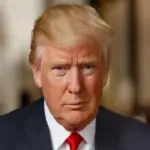
Political partnerships in the United States often create surprising alliances, and one of the most talked-about relationships in recent years is the one between former president Donald Trump and Ohio senator JD Vance. Their dynamic is unique, sometimes unexpected, and filled with moments that political observers find strange, ironic, or even fascinating.
Here are some of the most unusual aspects of their political relationship.
1. They Started as Opposites
Before entering politics, JD Vance was openly critical of Donald Trump. In old interviews and social media posts, Vance questioned Trump’s political style and policies. Fast-forward a few years, and the same JD Vance has become one of Trump’s strongest supporters.
This transformation remains one of the strangest, yet common, patterns in American politics—where alliances shift rapidly based on timing, political influence, and shared goals.
2. Trump Endorsed Vance Despite Mixed Feelings
Behind closed doors, news reports suggested that Trump wasn’t initially sold on endorsing Vance. Yet he eventually threw his full support behind him during Vance’s Senate run. Political analysts still debate the reason, with theories ranging from strategic alignment to Trump seeing potential in Vance’s rising popularity.
3. They Represent Different Voter Groups—but Work Together
Trump built his base largely around populism, working-class voters, and traditional conservatives. JD Vance, meanwhile, entered politics as a bestselling author discussing poverty, economic struggles, and cultural issues in Appalachia.
Their backgrounds are different, but their political messaging gradually became aligned, creating a partnership that neither voters nor critics expected.
4. Their Relationship Strengthened Faster Than Expected
Despite their differences and past criticisms, Trump and Vance quickly became political allies. Today, Vance stands firmly with Trump on key issues like immigration, foreign policy, and economic reform. Their bonding has been much faster and stronger than typical political alliances, which usually take years to develop.
5. The Irony of Public Statements vs. Present Collaboration
Perhaps the weirdest part of their relationship is the contrast between Vance’s old criticism and his current support. In politics, such reversals are not uncommon, but the speed and intensity of Vance’s shift toward Trump still stand out.
Some observers call it strategic. Others call it evolution. Whatever the reason, it remains a fascinating case study in U.S. political dynamics.